
Planning Accessible Routes
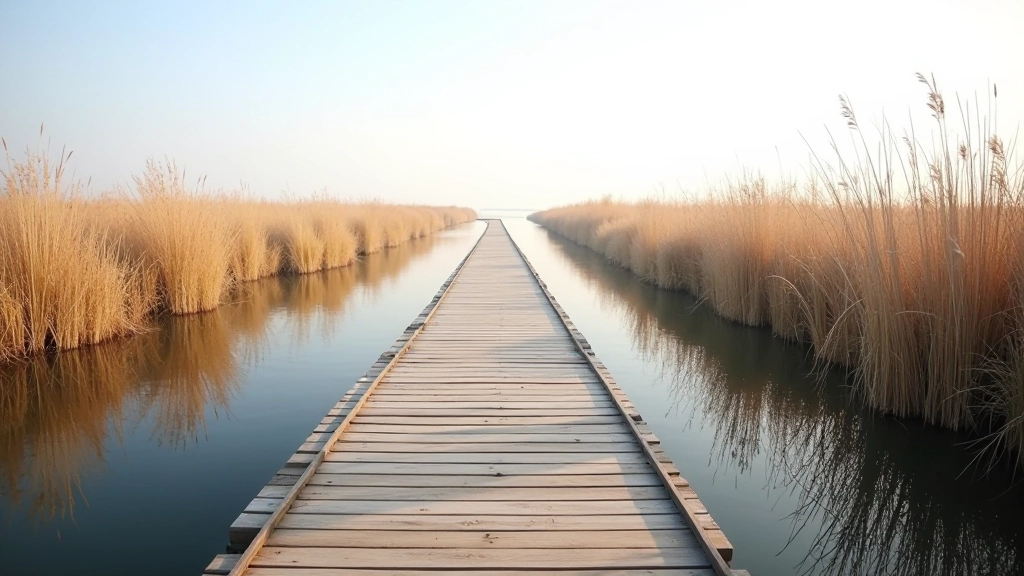
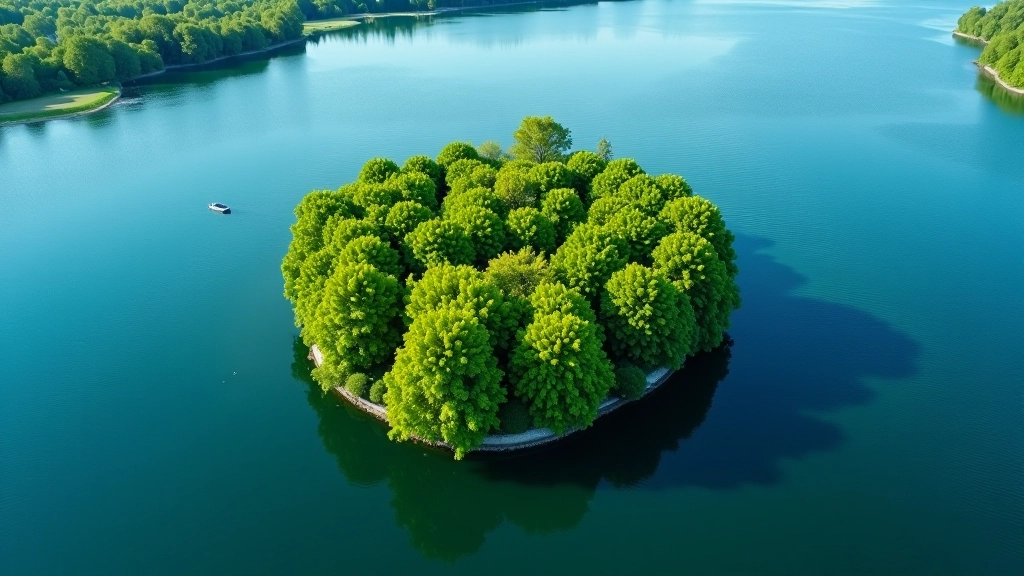
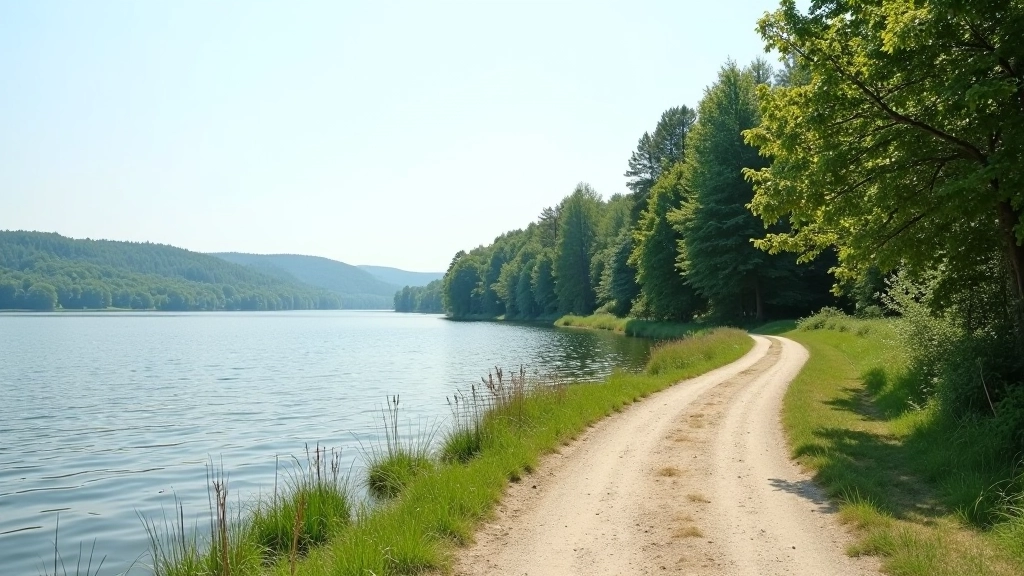
The Ķīšezera paths aren't demanding, but they're not flat either. You'll encounter some gentle elevation changes and a mix of paved sections with gravel paths. Here's what we've learned from walking them regularly: most visitors do best breaking the route into two or three shorter walks rather than trying one long loop.
Start at the main parking area near the lake entrance. From there, you've got flexibility. The eastern shore path is your easiest option—mostly level, good surface, and it's about 2.5 kilometers one way. The western side has more character but includes a few steeper sections. Don't worry though. You can turn back whenever you need to without feeling like you've missed anything.

Rest Points and Seating
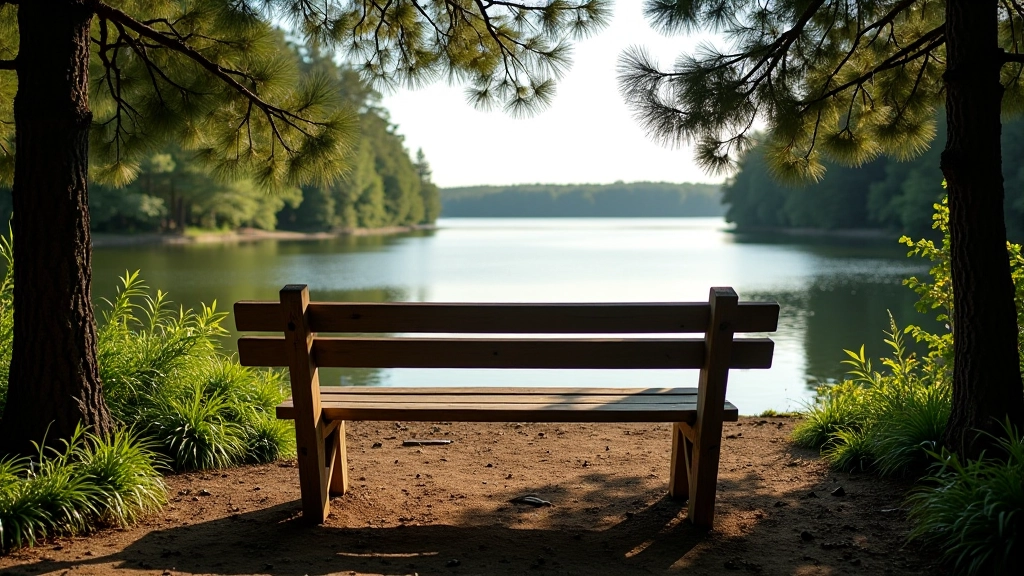
This is where Ķīšezera really shines for accessible walking. There are nine designated rest areas spread around the main loop, and they're spaced roughly 400-500 meters apart. That's manageable distances if you need frequent breaks.
The benches aren't fancy, but they're solid and practical. Most have backs, which makes a real difference when you're resting. Three of the nine spots have small shelters—roofed structures that protect you from rain. The shelter near kilometer marker 1.8 has the best view and tends to catch a breeze on hot days. You'll find it on the eastern shore, about 35 minutes into a leisurely walk from the parking area.
We'd recommend the shelter near the northern point too. It's quieter, sits on a small rise, and you can see across the entire lake from there. Bring water though. None of the rest points have drinking fountains, and the walk does take it out of you.
Shade and Weather Protection
About 60% of the path is tree-covered, which is excellent for sunny days. The forest sections feel cooler by a good 3-4 degrees compared to the open shoreline spots. Summer afternoons? Go early—before 10 a.m. if you can. The morning shade is deeper and the air feels fresher.
The open sections are worth the sun exposure though. They're where you get actual views of the water and wildlife. Just wear a hat and bring sunscreen. A light rain jacket stuffed in your bag is smart too. Weather changes quickly around the lake, and you'll want protection if clouds roll in.
Parking and Starting Points
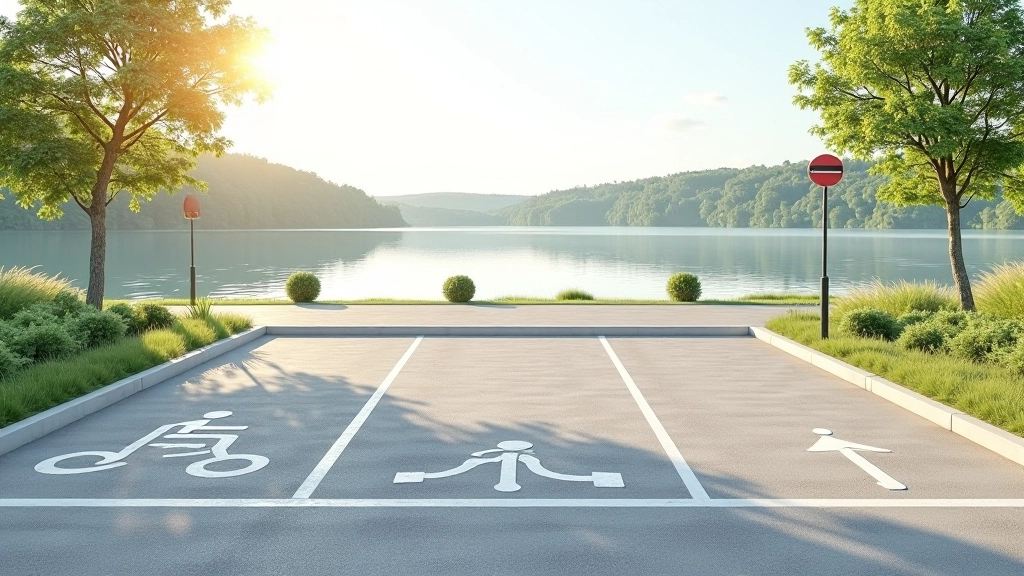
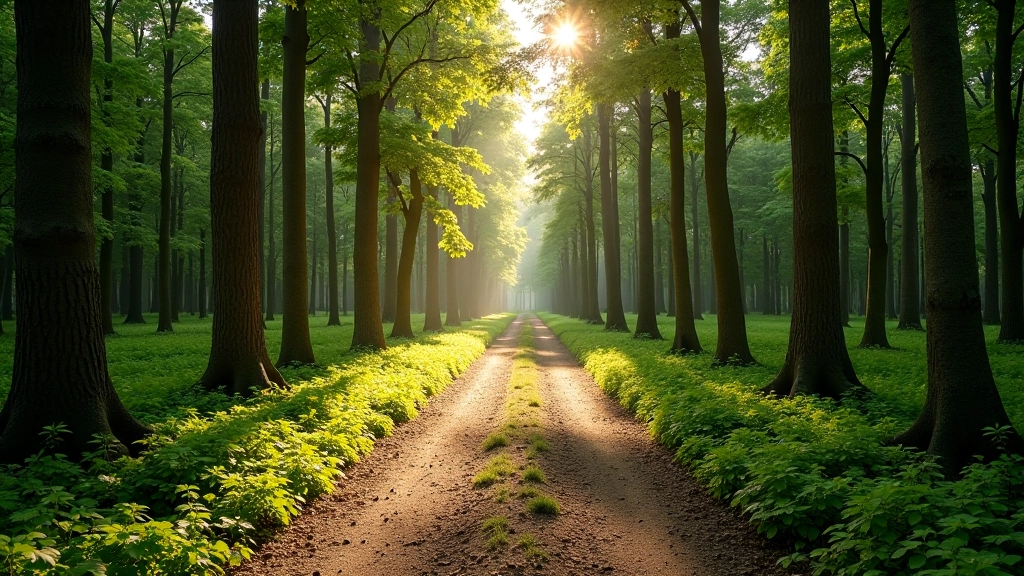
The main parking area has 35 spaces, including four designated accessible spots right near the path entrance. They're genuinely accessible—flat, well-maintained, and you're literally 20 meters from where the walking path starts. No awkward transfers or scrambling up uneven terrain.
There's also a secondary lot about 1.2 kilometers away if the main area fills up, which happens on weekends in July and August. That lot's smaller but it feeds into the southern section of the loop. From there, you're looking at a 1.8-kilometer walk to reach the shelter area, so most people prefer the main entrance.
Parking is free. There's no time limit, which matters if you're taking your time. We've sat there for three hours, walked for 40 minutes, rested, and repeated without anyone checking on us or rushing us along.
Breaking the Walk Into Segments
You don't have to commit to the full loop. Smart walking means knowing your limits and respecting them. Here's how we'd recommend breaking it down:
Easy Segment (30-40 minutes)
Main parking to first shelter and back. Flat, tree-covered, perfect for testing how you feel. Total distance: 1.6 km.
Moderate Segment (50-70 minutes)
Parking around the eastern shore to the northern viewpoint. Includes one gentle uphill stretch but rewards you with the best lake views. Total distance: 2.8 km.
Full Loop (2-2.5 hours)
Complete circuit with multiple rest stops. Combines forest and open shoreline sections. Total distance: 5.2 km. Best done in two visits if you're building fitness.
Start Slow and Enjoy It
The point isn't to rush. You're here to breathe fresh air, see wildlife, and feel the rhythm of the lake. The benches and rest points exist because the designers understood that walking isn't just about distance—it's about the experience along the way.
We've watched people in their seventies, eighties, and beyond walk these paths successfully. Some use walking poles, some take frequent breaks, and some go at their own pace entirely. There's no "right way" to do Ķīšezera. Find what works for your body and your mood that day. That's accessibility done right.
Disclaimer
This article provides general information about the Ķīšezera paths and their features based on typical conditions. Conditions may vary seasonally—weather, water levels, and path maintenance can affect accessibility. Always check current conditions with local tourism information before visiting. If you have specific mobility concerns or health conditions, consult with your healthcare provider about suitability for walking activities. Safety and comfort depend on individual fitness levels and circumstances.