Understanding Your Starting Point
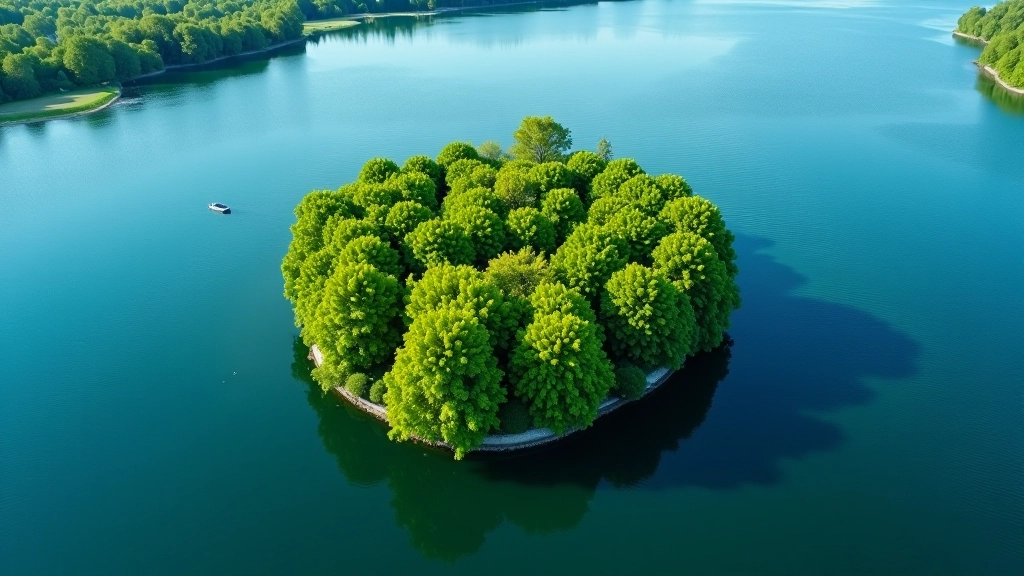
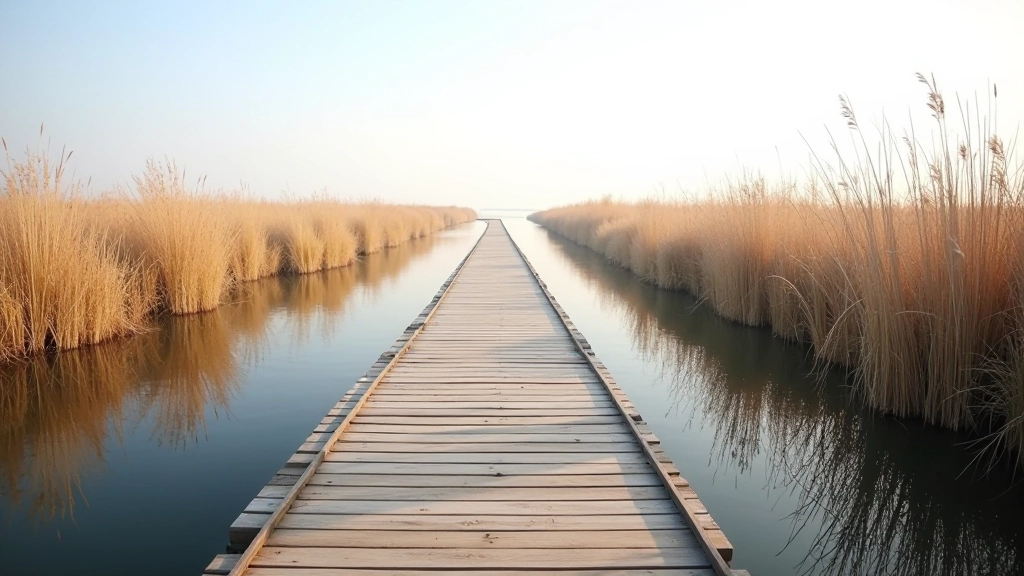
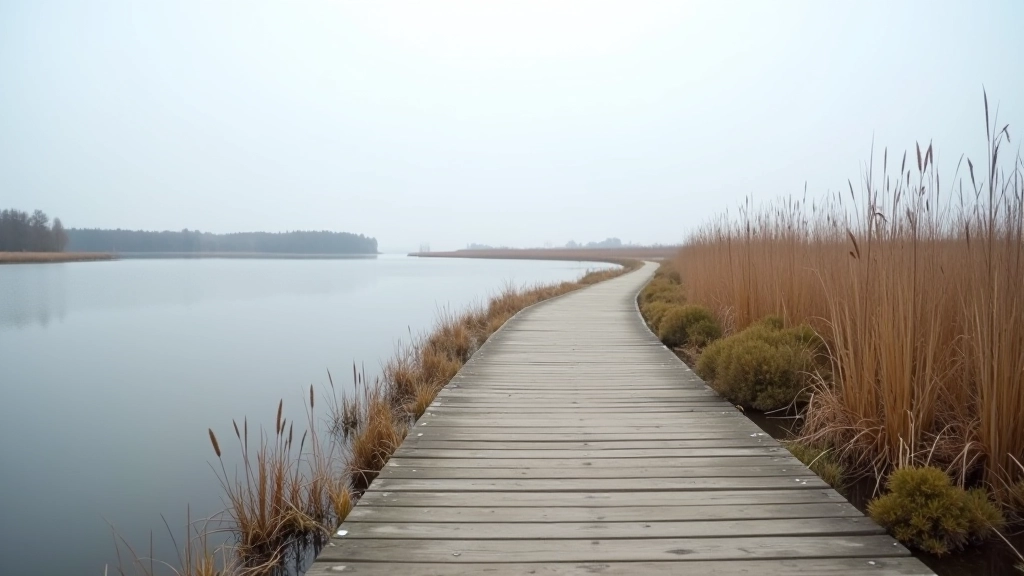
Not everyone's ready for a 10-kilometer trek through the delta. And that's completely fine — you don't need to be. The shoreline paths around Ķīšezera and the Daugava islands work brilliantly for beginners because they're flat, well-maintained, and you're never far from a place to rest.
Most people don't realize they're actually walking through one of Europe's most important wetland areas. The ecosystem here is genuinely special — the reeds, the water levels, the birds. It's not a manicured park trail. It's real nature, but it's accessible.
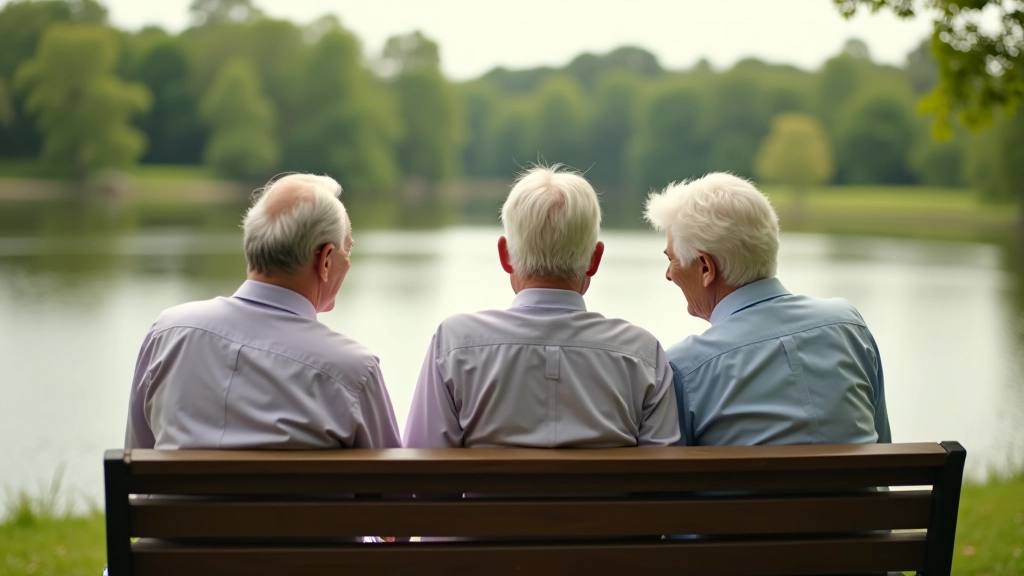
Here's what makes these paths different: they're designed with locals in mind, not tourists hunting for Instagram shots. You'll see families, older folks, people with mobility considerations. The paths don't have pretense. They're just solid walking routes that work.
What You'll Actually Need
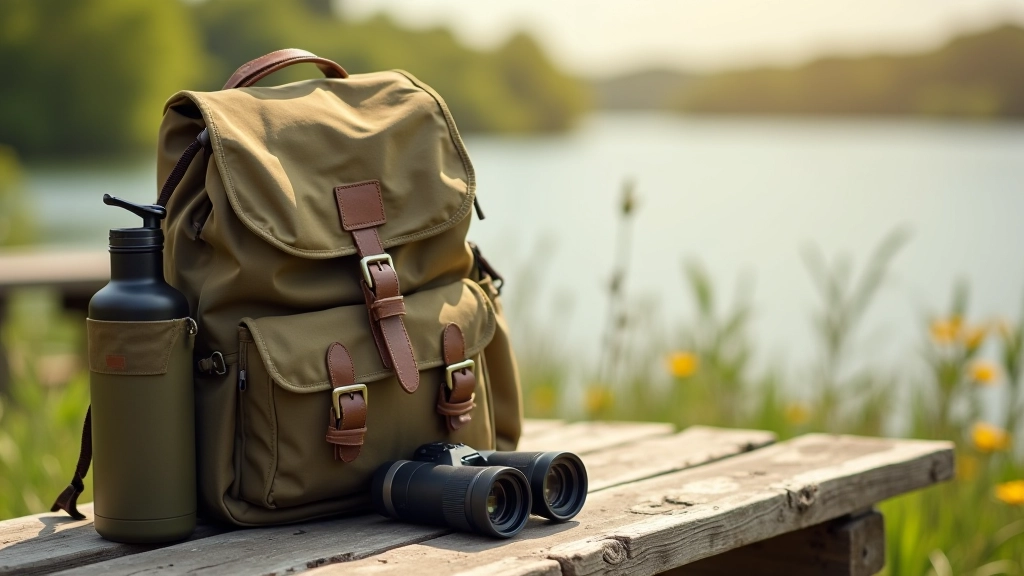
Forget the expensive gear lists you see online. You don't need specialized hiking boots or technical fabrics. Comfortable shoes you've already worn matter more than brand names.
What you actually need:
- Water bottle — you'll be thirsty around the 40-minute mark
- Sun protection — hats work better than you'd expect on exposed paths
- A small snack — nothing fancy, just something to eat halfway through
- Phone for emergencies — the paths have decent coverage
- Light jacket — weather changes faster by the water
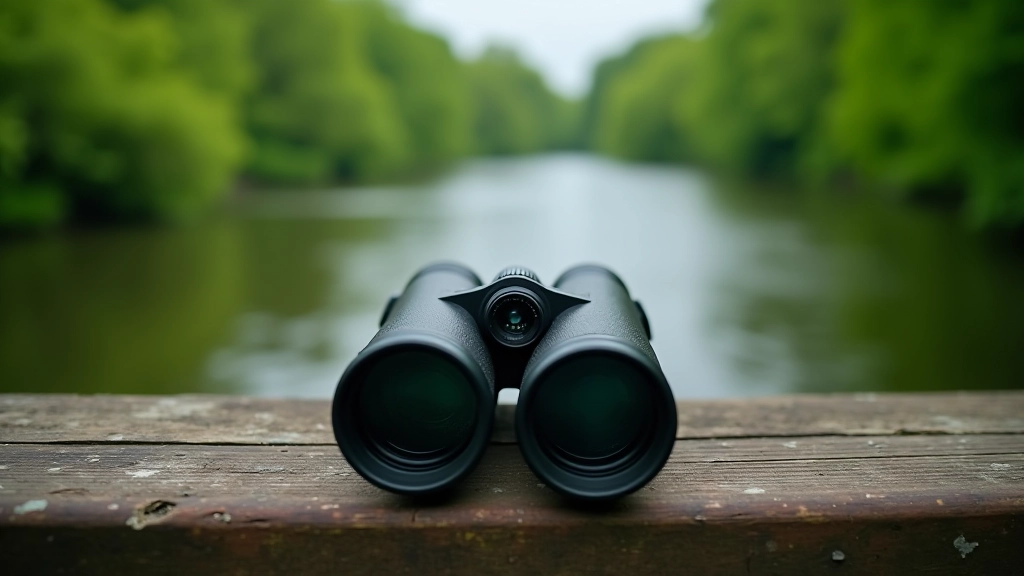
Seriously consider bringing binoculars if you're interested in birds. You'll see more, and honestly it makes the walk feel less like exercise and more like exploring.
Before You Head Out
This article provides educational information about shoreline paths in the Daugava delta region. Conditions vary by season and weather. Always check current path conditions before visiting, bring appropriate safety gear, and let someone know your planned route. If you have mobility concerns or health conditions, consult with your doctor before attempting longer walks. The paths are public areas — respect local regulations and wildlife protection zones.
Pacing Is Everything
Here's the thing about distance: it doesn't matter. What matters is how you feel at the end. If you've rushed through 6 kilometers and you're exhausted, you won't come back. But if you've walked 3 kilometers at a comfortable pace and you're actually enjoying it? You'll be back next week.
Beginners usually go too fast. It's not intentional — it's just what happens when you're focused on covering ground. But these paths aren't races. They're meant for looking around, noticing things, stopping when something catches your eye.
Try this: aim for 2.5 to 3 kilometers on your first trip. Walk at a pace where you can have a conversation without gasping. If you hit a bench, sit. Seriously. Sit for 5 or 10 minutes. Watch the water. Let your legs settle. You're not behind schedule — there is no schedule.
When To Go (Timing Really Matters)
Spring and early fall are ideal. The weather's not extreme, and you won't be fighting insects or intense heat. Summer's hot near the water — you'll feel it more than you expect. Winter's possible if you're prepared, but it's slippery and the daylight's limited.
Early morning visits work best. You'll see more wildlife, the paths are quieter, and the light's better for photography if that interests you. You're also done before the afternoon heat builds up. Even in warm months, 7 or 8 a.m. starts mean you're back by early afternoon.
Check the weather forecast the night before. Not obsessively — just make sure you're not walking into heavy rain. The paths handle moisture fine, but your comfort matters. Wet socks aren't a character-building experience; they're just unpleasant.
Your First Walk: The Reality
You'll probably walk slower than you think you should. Your legs might feel it more than expected. You'll see something interesting and stop to look. The time will pass differently than it does in the city. You might hear sounds you haven't heard in years.
And then you'll come home, and you'll be thinking about when you can go back.
That's the whole point. These paths aren't about achievement. They're about being in a place that matters, moving at your own pace, and feeling genuinely better afterward. The distance, the time, the kilometers — none of that is the goal. The goal is the walk itself.