
Understanding the Delta's Bird Population
The Daugava delta isn't just another wetland — it's home to over 150 bird species throughout the year. Some arrive as seasonal visitors, others stay year-round. The key to successful spotting? Understanding what lives here and when they're most active.
Spring brings warblers and migratory waterfowl. Summer offers breeding season activity with nesting behaviors you won't see any other time. Autumn transforms the delta into a feeding ground. Winter? That's when the hardy species reveal themselves — eagles, owls, and specialized water birds that've adapted to cold.

Best Observation Times and Techniques
Here's the reality: birds aren't awake at 10 AM wanting to be watched. They're most active at dawn — roughly two hours after sunrise through mid-morning. That's when they're feeding, vocalizing, and moving between roosting and feeding areas.
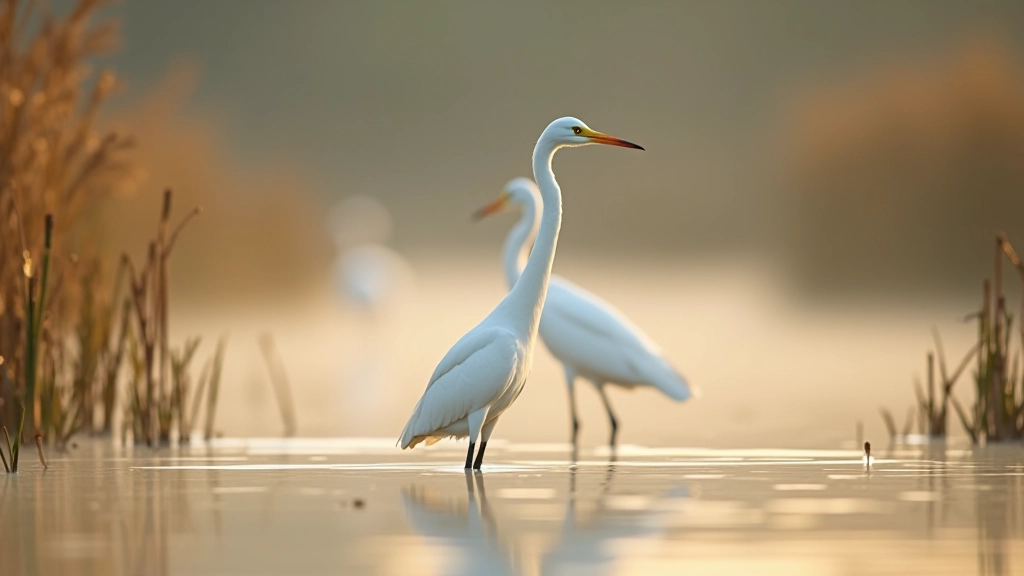
Early morning light is also better for spotting. You'll get backlighting that helps you see silhouettes clearly, and the softer angles reveal feather detail you'd miss in harsh midday sun. Quiet observation matters more than speed. Move slowly, stop frequently, and listen. Many species announce themselves before you see them.
The Golden Window for Spotting
- 45 minutes after sunrise: Peak feeding activity
- 2-3 hours into the morning: Sustained activity, easier to locate
- Late afternoon (1 hour before sunset): Secondary feeding period, shorter window
- Overcast mornings: Better than clear days — birds stay active longer
What to Bring and How to Prepare
Don't overthink your gear. You don't need expensive equipment to enjoy bird watching. Good binoculars matter — they'll be with you for years and make the difference between seeing a blurry shape and identifying field marks clearly. Something in the 8x42 range works well for most situations.
A field guide specific to Baltic region birds is invaluable. Apps work too, but a printed guide doesn't need battery. Wear muted colors — greens, grays, browns. Bright colors startle birds. Dress for layering since temperatures shift throughout the morning. Comfortable walking shoes matter more than you'd think, especially on the softer paths around the delta.


Reading the Habitat and Finding Birds
Birds concentrate in specific spots based on what they eat and where they nest. Open water? That's where diving ducks and grebes hang out. Reedy marshes attract warblers and sedge birds. Dense willow thickets shelter shy species. Understanding these preferences cuts your search time dramatically.
The boardwalks along the delta are perfect for this reason — they guide you through different habitats without disturbing the environment. Walk the shoreline paths, pause at each overlook, and scan methodically. Don't just look at obvious spots. Check the water edges, vegetation overhangs, and even dead trees where birds perch to survey their territory.
Important Information
This guide is for educational and recreational purposes. Species identification can be challenging, especially for similar-looking birds or juveniles. We recommend consulting field guides specific to your region or connecting with local birding groups for accurate species confirmation. Always respect wildlife — maintain safe distances, avoid nesting areas during breeding season, and follow all local regulations regarding protected species and protected habitats.
Getting Started This Week
Bird watching doesn't require a big commitment or special training. What it does need is patience and observation. You'll develop an eye for movement, learn to identify calls, and start noticing patterns in behavior that most people walk right past.
The delta is waiting. Grab binoculars, dress warmly, and head out before sunrise. That first moment when you lock onto a bird through binoculars and see its detail clearly? That's when you'll understand why people spend mornings in marshes.