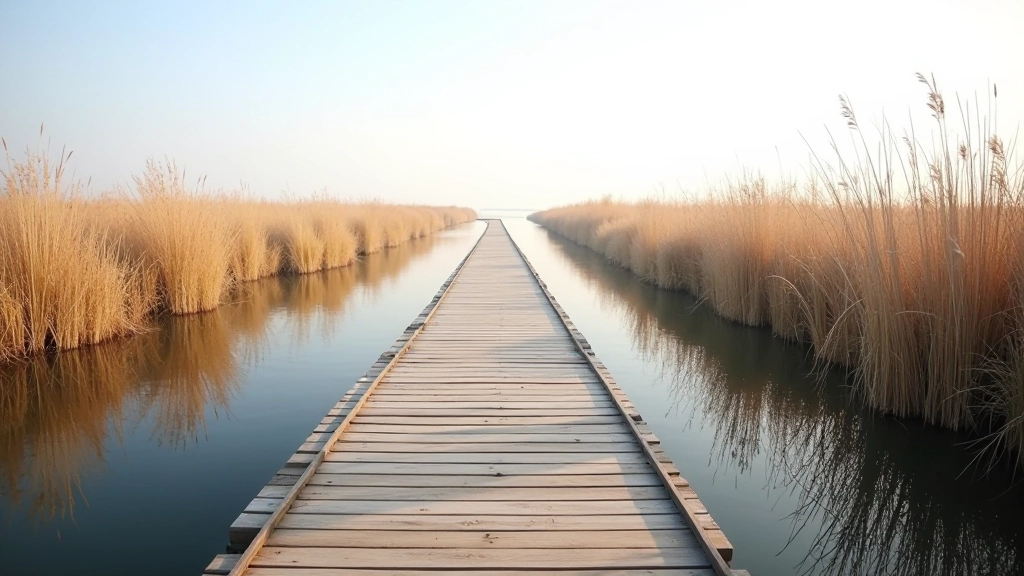
Daugava Islands: A Complete Walking Tour
Three islands you can actually explore, how long each takes, and what wildlife you'll likely see if you're patient and quiet.
The Daugava delta's islands aren't mythical places. They're real, walkable, and accessible to anyone with decent knees and reasonable footwear. We've walked them all — multiple times across different seasons. What follows isn't marketing speak. It's what you'll actually experience.
Here's the thing: each island offers something completely different. One's about history and human settlement. Another's pure nature — birds, wetlands, quiet. The third is somewhere in between. Pick based on what interests you, how much time you've got, and whether you want solitude or structure.
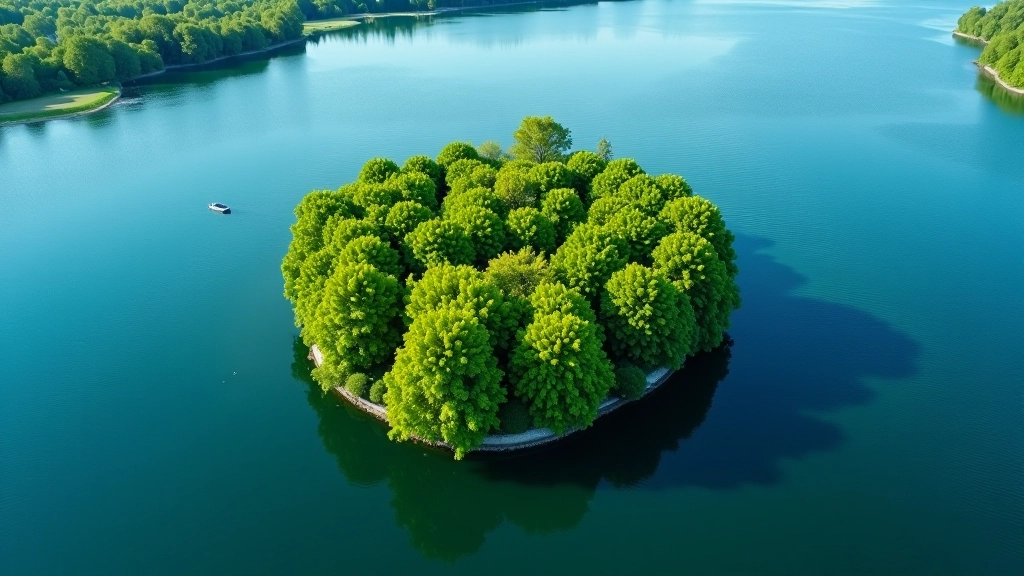
Great Island — The Walking Route
This is the main event. Great Island's got a proper walking path — not paved, but maintained. Takes roughly 45 minutes to complete the loop if you're moving steadily. Most people take an hour and a half because they stop constantly.
You'll walk past old wooden structures from the early 1900s. Not intact buildings, mind you — foundations, some walls, the bones of what used to be summer houses and fishing huts. It's genuinely moving to see how people lived here a century ago, how close they were to the river, how exposed everything felt.
The path stays mostly at ground level. There's one gentle slope near the middle section. Definitely doable for people with mobility concerns, though the ground gets muddy after rain. Bring proper shoes — we're talking waterproof walking boots, not sneakers.
Time: 45 mins steady, 90 mins with stops
Best for: History lovers, photographers, moderate fitness levels

Small Island — The Nature Preserve
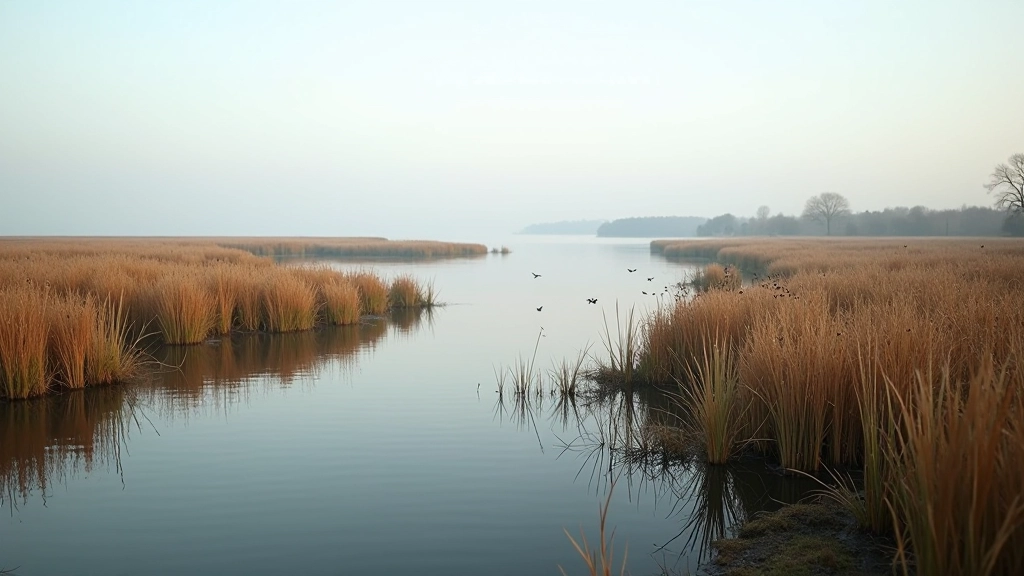
This one's different. There's no formal path here — you're navigating between reeds, across wooden bridges where they exist, and honestly, it's wetter underfoot. You'll want waterproof boots. The actual walking distance is shorter, maybe 1.5 km, but it takes longer because you're moving carefully.
But here's why you come: birds. Seriously. The diversity here is remarkable. You'll see cormorants, great egrets, various herons, and if you're quiet and patient, you might spot a white-tailed eagle. We've seen them three times across different visits. Never the same spot twice, so bring binoculars and don't expect guarantees.
The island's protected — there's a reason for that. The reed beds are nesting habitat. Time your visit for early morning (before 8 AM) if you want to see the most wildlife. Mid-afternoon, everything's quiet and heat-dazed.
Time: 60-90 mins for proper wildlife watching
Best for: Bird watchers, photographers with patience, nature enthusiasts
About This Information
Walking conditions on the Daugava Islands change seasonally and after heavy weather. Routes described here are current as of June 2026 but may be affected by maintenance, flooding, or ecosystem changes. Always check local authority updates before visiting. Bring proper footwear, water, and sun protection regardless of season. Wildlife observations depend on time of day, season, and weather — there are no guarantees you'll see specific animals.
Middle Island — The Balance
If you can't decide between structure and wilderness, Middle Island's your answer. It's got maintained paths like Great Island but the natural, untouched feel of Small Island. You'll walk 2.1 km in about 50 minutes at normal pace.
What makes this island special is the mix. You get sections where the forest closes in completely — tall pines, understory ferns, genuinely beautiful. Then the path opens into clearings where you're surrounded by water and sky. The transition between these feels deliberate, like someone designed it well.
This is where we usually see red squirrels, various woodpeckers, and once in a while, deer. The elevation changes are minimal but present — your calves will notice, but nothing steep. Ground conditions are the best of the three islands. Less mud, better drainage.
Time: 50 mins steady pace
Best for: Anyone wanting a complete experience, families, mixed ability groups

Practical Details That Matter
What to Bring
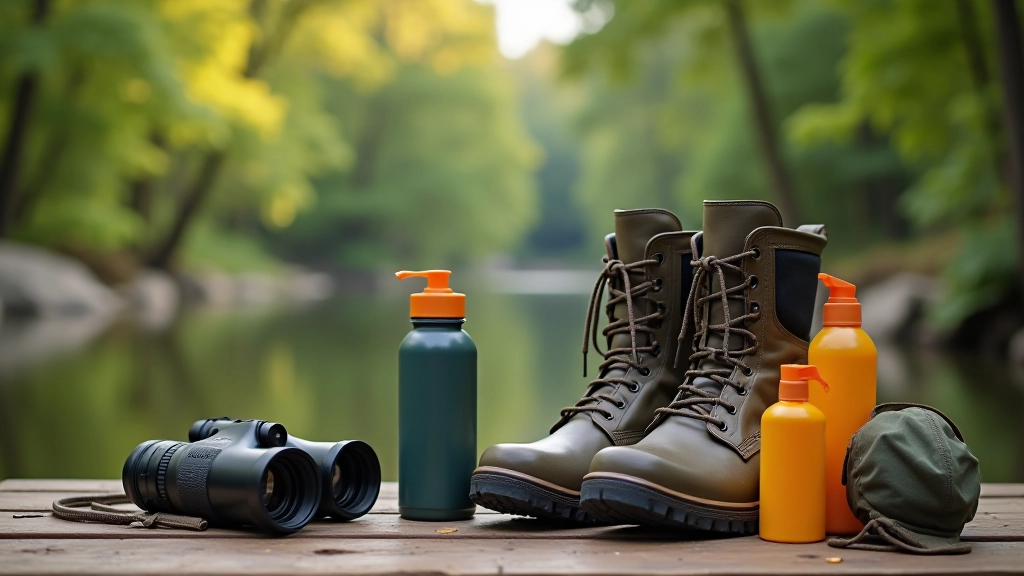
- Waterproof hiking boots — non-negotiable across all three islands
- Water bottle (at least 1.5 liters) — no refill points once you're on the islands
- Sun protection (hat, sunscreen) — the islands have minimal shade in open sections
- Insect repellent for June-August — mosquitoes are real
- Binoculars if you're interested in birds
- Lightweight rain jacket — weather changes quickly
Timing Recommendations
Start early morning if wildlife matters to you. 7-8 AM gives you the most activity. Mid-morning works fine for history and photography. Avoid late afternoon — the light gets harsh and animals retreat. Spring and early autumn offer the most comfortable temperatures and best wildlife viewing.
The Reality of Walking These Islands
You won't find luxury facilities. There's no café at the trailhead. No bathrooms mid-route. No marked signs pointing you the right direction on every corner. What you will find is genuine quiet, actual nature, and paths that've been walked by locals for generations.
The three islands work best as a series across different visits. Don't try all three in one day — you'll rush and miss everything worth seeing. Pick one, spend time there, come back for another when you've recovered. That's how you actually experience the Daugava delta.
We've walked these routes more times than we can count across seasons and weather conditions. They don't get boring. The light changes. The wildlife shifts. The paths feel different depending on when you visit. That's what makes them worth the effort.
Want to explore other accessible routes in the delta?
Explore shoreline paths for beginners